
01
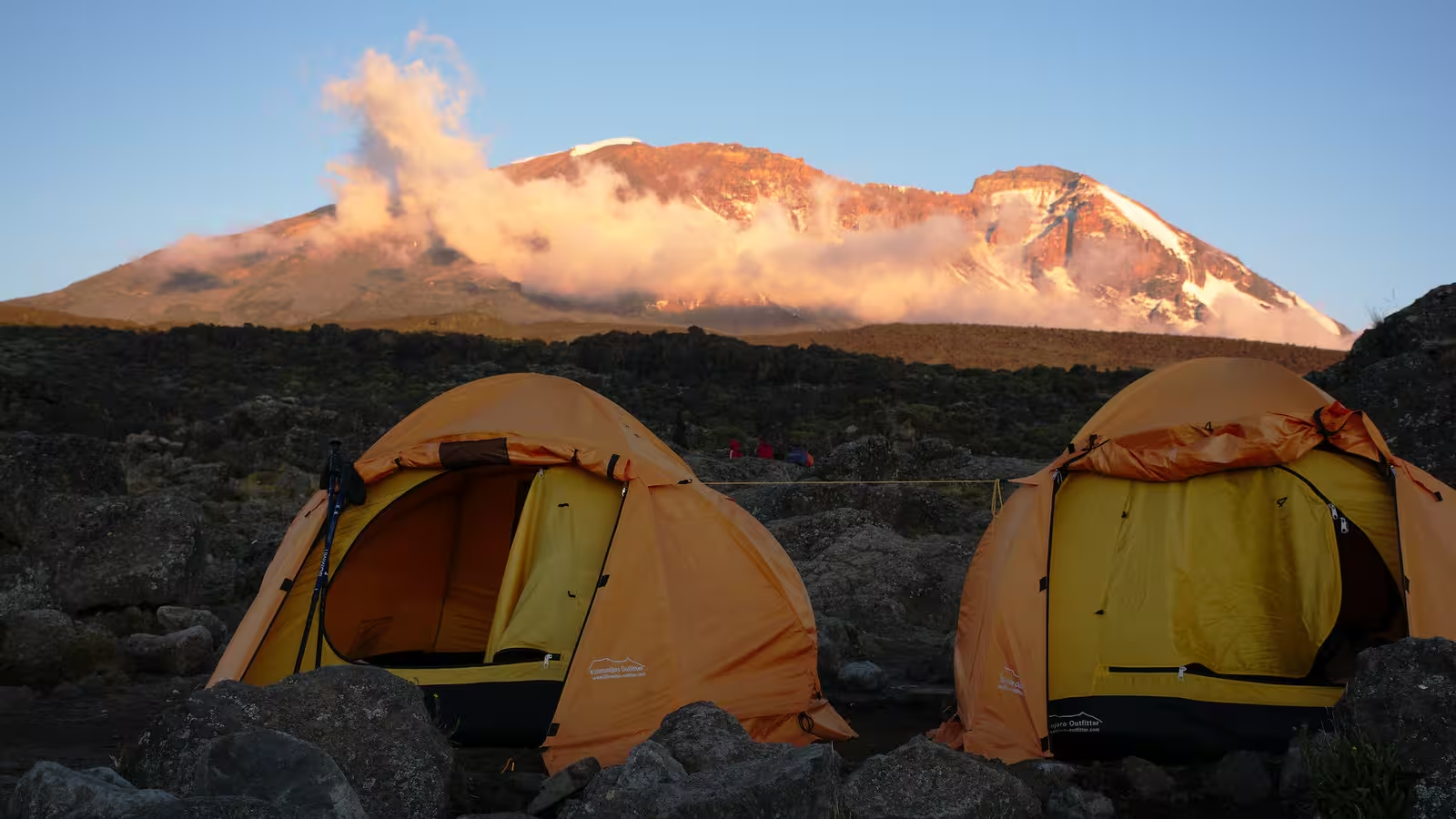 03°01′S 37°14′E
Day 1
Shira Gate/Plateau Start: 3,400–3,600 m to Shira 1 Camp: 3,500 m
A high start right awayeasy walking, but altitude can be felt immediately. Move slowly and hydrate from the first hour.
7 Days Shira Route
Shira is a scenic western route that starts high, so it’s best done on a longer schedule and never rushed. Unlike Lemosho (which begins lower in the rainforest), Shira typically begins around 3,400–3,600 m, meaning you’re already at serious altitude on Day 1. The payoff is the wide-open Shira Plateau and dramatic mountain views, but because the high start can feel tough for anyone who doesn’t acclimatize quickly, the 7-day plan is the safer choice.You begin on the Shira Plateau (3,400–3,600 m), move through Shira camps (3,500–3,850 m), then complete the crucial acclimatization push to Lava Tower (4,600 m) before descending to Barranco (3,900 m) in a proven “climb high, sleep low” pattern. From there you continue to Barafu (4,640 m) for summit night, reach Uhuru Peak (5,895 m) at sunrise, and descend via Mweka.For the best conditions, aim for the drier, clearer periods: January–mid March and late June–October. Because Shira is more exposed and starts high, calmer, drier seasons are ideal. For a smooth start, base yourself in central Moshi or just outside town for an easy briefing and early pickup for the drive to the Shira/Londorossi area.
Click any destination to explore it on the map.
Multiple parks, several days -- and no wasted transfers. Every drive doubles as a game drive.
03°01′S 37°14′EA high start right awayeasy walking, but altitude can be felt immediately. Move slowly and hydrate from the first hour.
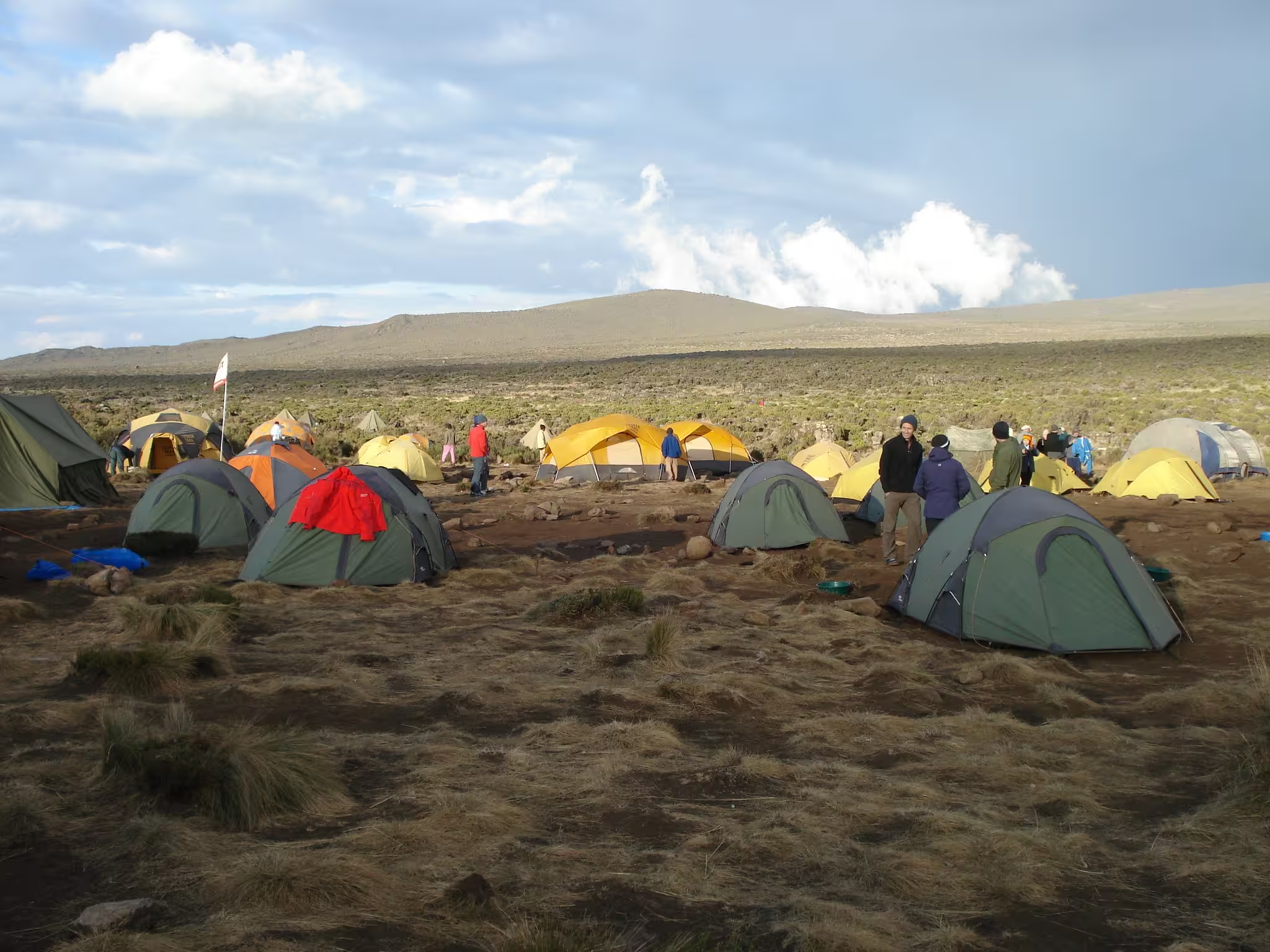 03°03′S 37°17′E
Cross the Shira Plateau with wide volcanic scenery. This stage helps you settle into altitude without overexertion.
 03°06′S 37°20′E
Key acclimatization day: up to Lava Tower then down to Barranco for sleep. Strong altitude training without sleeping too high.
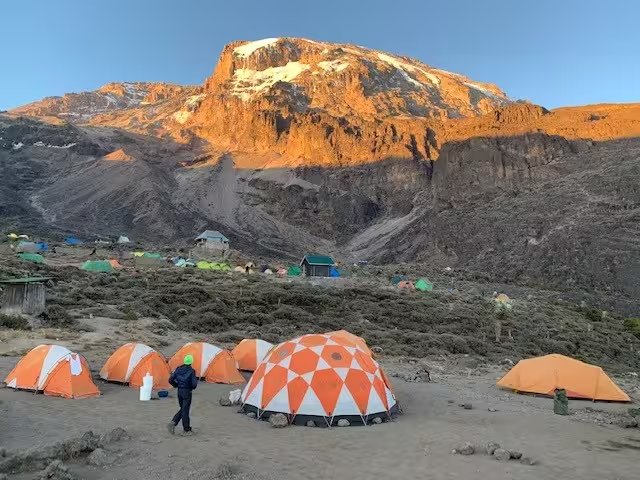 03°06′S 37°21′E
Barranco Wall scramble then ridge traverses. Short day good for recovery while continuing acclimatization.
 03°06′S 37°23′E
Summit base preparations: rest, early dinner, summit briefing, early sleep.
 03°05′S 37°21′E
Summit at sunrise then long descent to Mweka
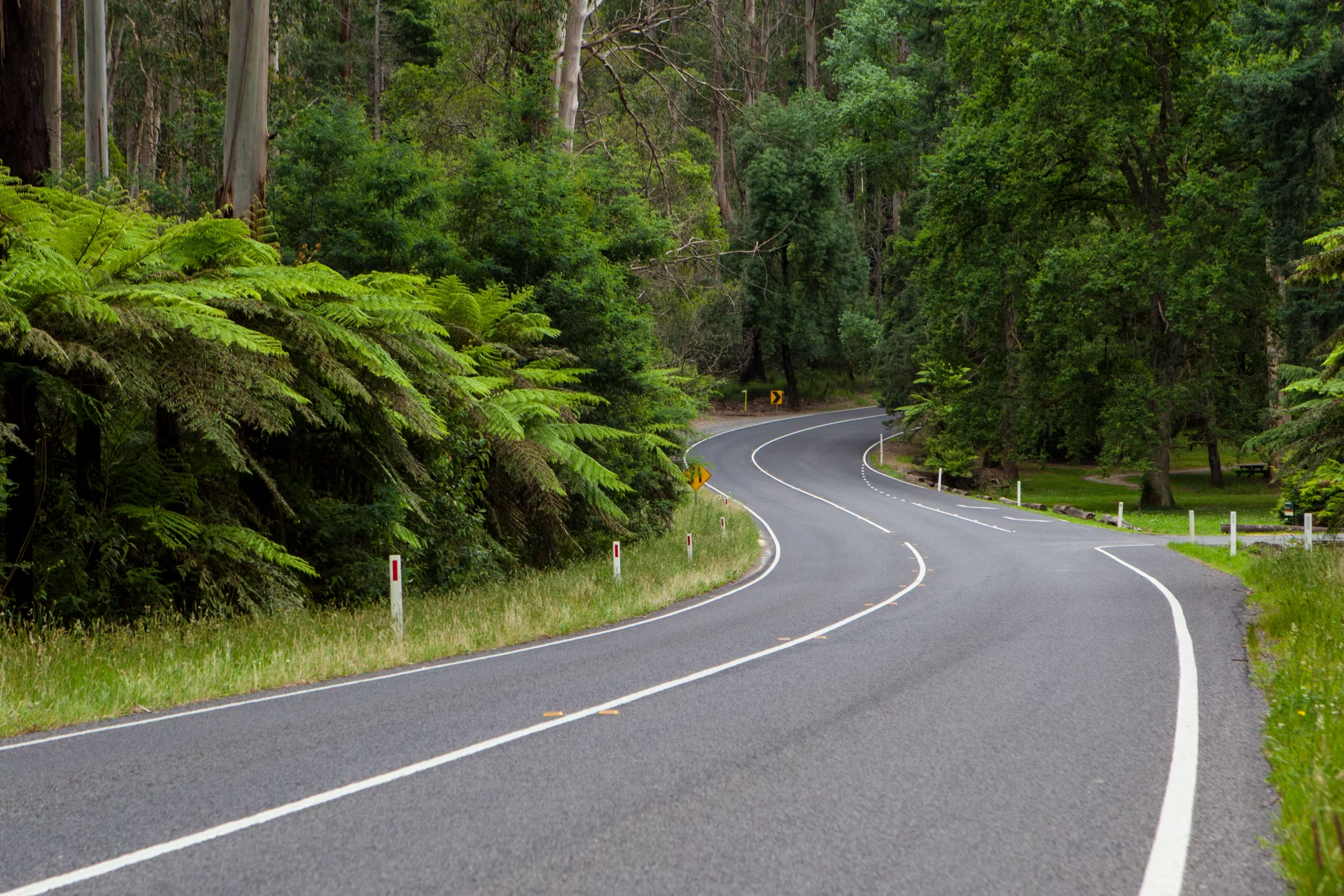 03°13′S 37°20′E
Final descent and certificates.
Extras you can add before or after your climb.
Rest, a gear check and a briefing with your guide before the drive to the start.
A second night at Shira 2 with a walk towards Shira Cathedral, giving your body more time before Lava Tower.
Tarangire, the crater or the Serengeti are a drive from Moshi and Arusha, and sitting in a vehicle suits tired legs.
Flights from Kilimanjaro reach Zanzibar in under two hours. A few nights on the coast is a good rest after the summit.
From the high Shira Plateau around the south side of Kibo to the summit and down through Mweka.
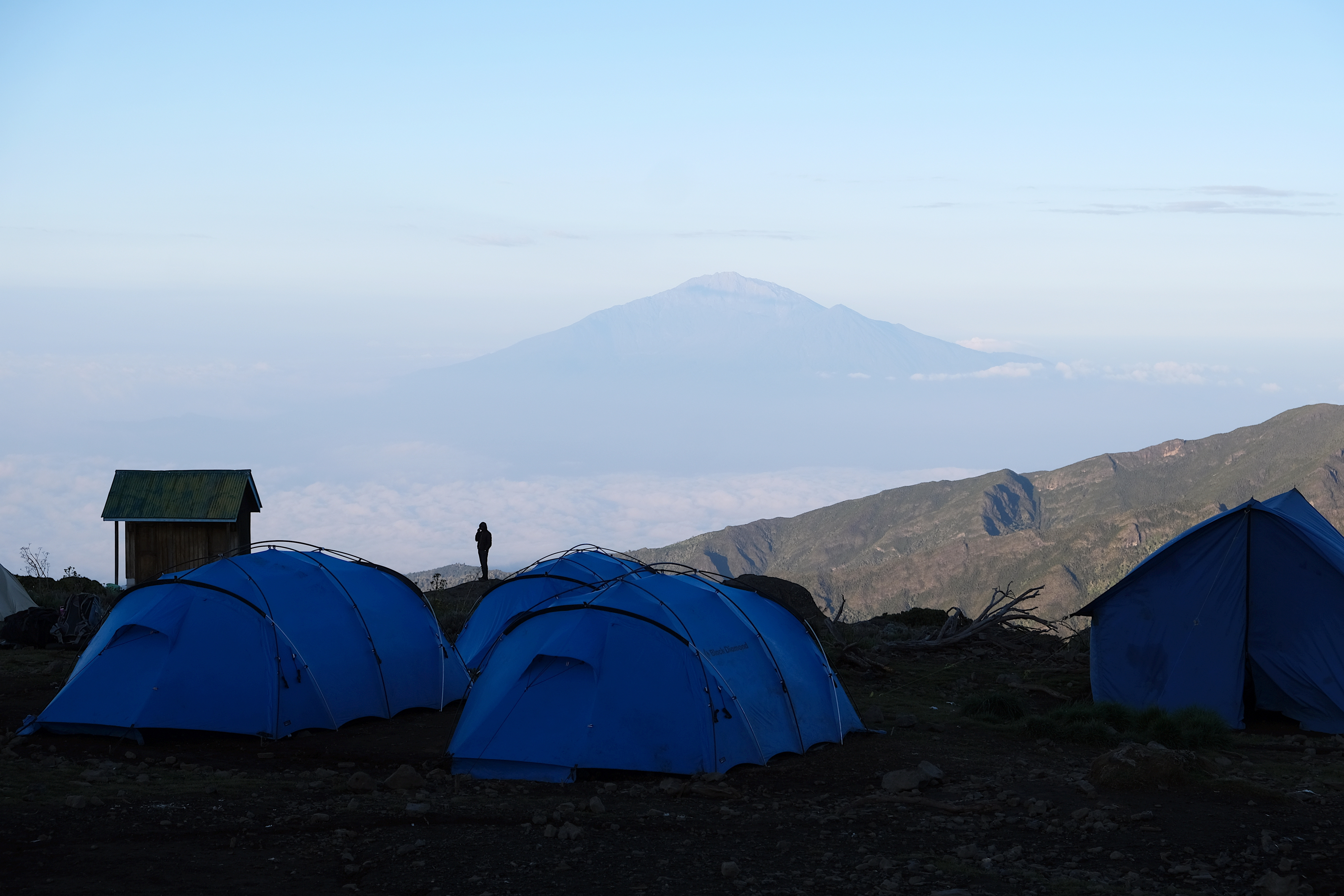
A wide, high plateau on the western side of Kilimanjaro, formed by an older collapsed volcano. Open moorland gives long views towards Kibo. Starting here means you begin the climb above 3,400 m.

Lava Tower is a volcanic rock outcrop at about 4,600 m, used as an acclimatisation point before dropping to sleep at Barranco. Barranco Camp sits in a valley below the steep Barranco Wall.
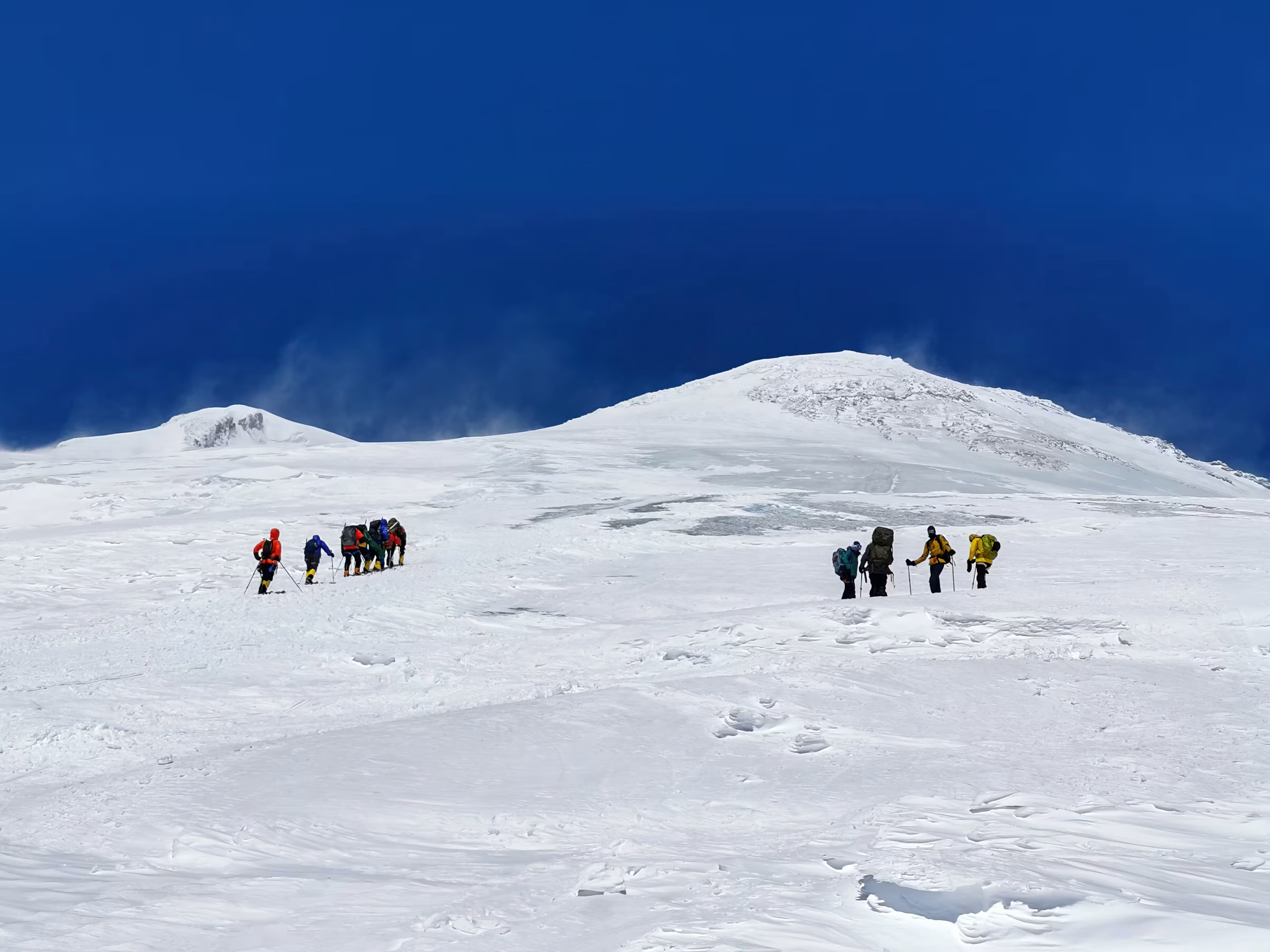
The trail traverses below the southern glaciers to Karanga, then climbs to Barafu, the high camp on a rocky ridge. Summit night starts from here.
The highest point on Kibo's crater rim and in Africa, at 5,895 m. Most climbers aim to reach it around sunrise.

The descent route through heath and then rainforest on the southern slopes. It ends at Mweka Gate, where summit certificates are given.
Price on request — contact us for a quote for this trip.
The long dry season, with clear days, cold nights and the most reliable summit mornings. It is also the busiest time on the mountain, so camps can be crowded.
A second dry window. Often warmer, with a chance of snow near the summit and some afternoon cloud. Fewer climbers than in August.
The rains. Trails are wet, the plateau is often in cloud and summit views are less likely. Climbs can still run, but we advise against it on a route that starts high.
Fly into Kilimanjaro International (JRO), under an hour from Moshi and about an hour from Arusha. Arrive at least one day before day 1 for rest, a gear check and a briefing, and so a lost bag can be traced before you go up. This route starts high on day 1, so arriving tired matters more than usual.
Day 7 is the walk down from Mweka Camp to Mweka Gate, usually finished around midday, then a transfer to town. A late-evening flight the same day is possible but tight. A night in Moshi or Arusha after the climb is better: a shower, a proper bed and no rush.
Shira begins at around 3,500 m with no rainforest days below. The extra days are what make up for that.
Days 1 and 2 are short and fairly flat, so your body adjusts before the real climbing starts.
Lava Tower on day 3 takes you to about 4,600 m and back down to Barranco to sleep, which helps acclimatisation.
Barranco, Karanga and Barafu approach the summit from the south in short days, so you start summit night with energy left.
Answers to common questions about climbing Kilimanjaro on the Shira route.
Tell us when you would like to travel and we will send you a tailored quotation.