Nyakwardayo Expeditions Travel

6-Day Marangu Route Kilimanjaro Climb: Comfort, Scenery & Summit Success

6-Day

6-Day Marangu Route Kilimanjaro Climb: Comfort, Scenery & Summit Success

Climbing Mount Kilimanjaro via the Marangu Route offers a refined balance of comfort, scenic diversity, and a steady, well-paced ascent profile. Often referred to as the “Coca-Cola Route,” it is the only path on the mountain that provides hut accommodation throughout the trek, making it especially appealing for travelers who prefer shelter over camping without compromising the authenticity of a high-altitude adventure. What sets this route apart is not just its infrastructure, but the remarkable ecological journey it delivers in a relatively short time. Over the course of six days, climbers traverse four distinct climate zones from lush, oxygen-rich rainforest at the base, through open heath and moorland, across stark alpine desert, and finally into the arctic conditions of the summit. Each zone presents a dramatic shift in temperature, vegetation, and atmosphere, creating a constantly evolving landscape that keeps the experience engaging from start to finish. Beyond the physical challenge, the Marangu Route offers a deeply immersive mountain experience from the sounds of wildlife echoing through the forest on day one, to the vast silence of the alpine desert, and ultimately the emotional reward of reaching the summit at Uhuru Peak. It is a journey defined not only by altitude gain, but by progressive transformation in both environment and personal endurance. Ideal for travelers seeking a classic Kilimanjaro climb with added comfort, the Marangu Route remains one of the most iconic and accessible ways to stand on the roof of Africa.

Duration 6 Days Parks 1
Tour Length 6 Days / 5 Nights
Country Tanzania
Start / End Mandara Hut → Marangu Gate
Accommodation Mid-range
Tour Type Kilimanjaro Climb
Meal Plan All meals on the mountain
Activity Level Trekking
Destination Highlights

Your Route Through Tanzania

Click any destination to explore it on the map.

The Days

Day-by-Day Detailed Safari Itinerary

Multiple parks, several days -- and no wasted transfers. Every drive doubles as a game drive.

01
Arrival at Marangu Gate – Trek to Mandara Hut03°12′S 37°31′E
Day 1

Arrival at Marangu Gate – Trek to Mandara Hut

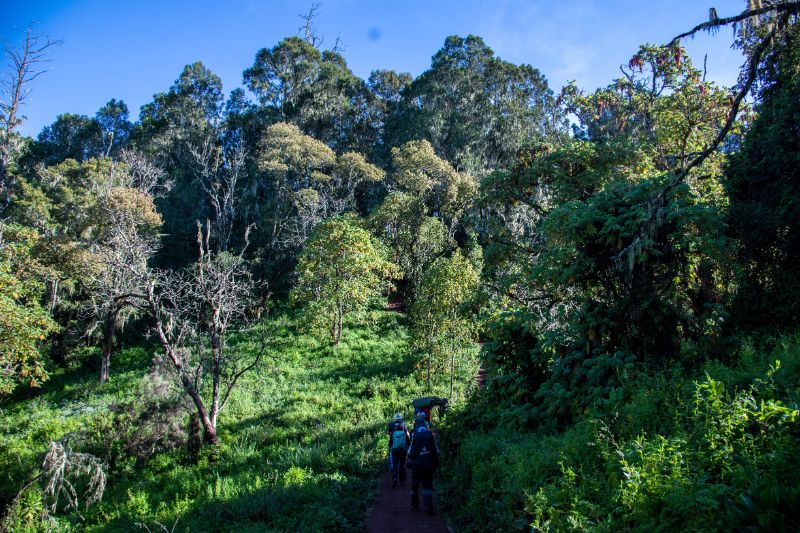
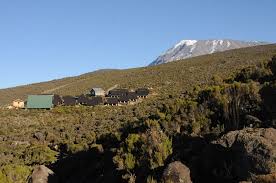
Your adventure begins at Marangu Gate, where the anticipation of standing on Africa’s highest peak starts to feel real. After registration and a detailed briefing, you step onto a well-defined trail that winds into the dense montane rainforest. The air is rich with moisture, and towering trees form a green canopy overhead. This lower section of the mountain is alive with sound—bird calls echo through the forest, and if you’re lucky, you may spot black-and-white colobus monkeys or blue monkeys leaping through the branches. The trail is gentle and shaded, making for a comfortable introduction to the climb. By late afternoon, you arrive at Mandara Hut, a cluster of wooden cabins nestled within the forest. After settling in, you can take a short acclimatization walk to Maundi Crater, where clear skies reveal views stretching toward Kenya.
Drive—
Route—
MealsFull Board
NightMandara Hut
02
Mandara Hut – Trek to Horombo Hut03°08′S 37°28′E
Day 2

Mandara Hut – Trek to Horombo Hut

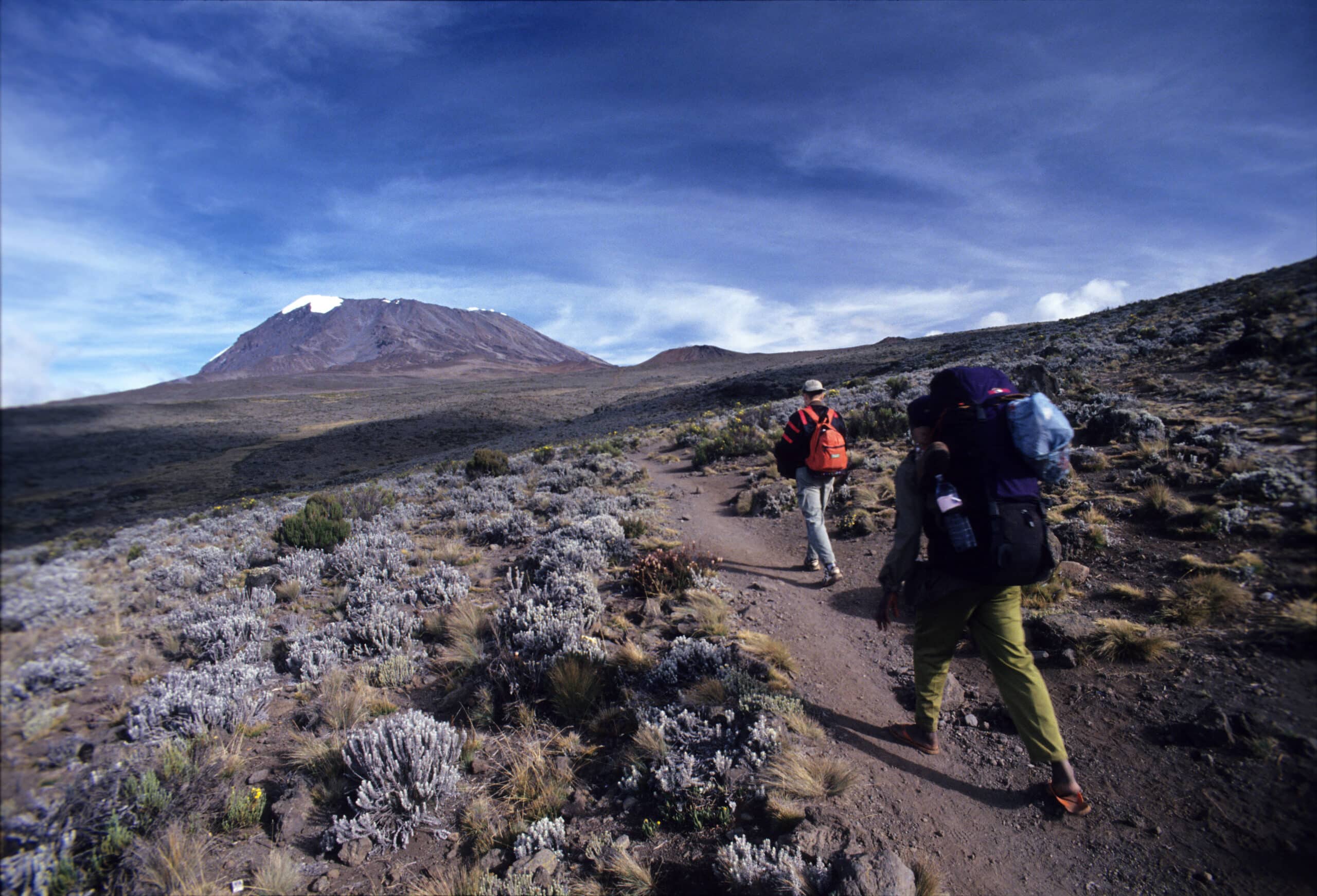
As you leave the rainforest behind, the landscape opens dramatically into heath and moorland. The transition is striking—dense forest gives way to rolling hills dotted with giant heathers, lobelias, and senecios, plants uniquely adapted to high-altitude conditions. The air becomes cooler and drier, and the views expand in every direction. For the first time, you’ll clearly see the snow-capped summit of Kibo rising ahead, while the jagged peaks of Mawenzi dominate the eastern skyline. Wildlife becomes more subtle here, but the scenery compensates with its surreal beauty. After a steady ascent, you arrive at Horombo Hut, a lively base where climbers from different groups gather. The evening is spent resting, hydrating, and preparing for higher altitude.

Drive—
Route—
MealsFull Board
NightHorombo Hut
03
Horombo Hut – Trek to Kibo Hut03°06′S 37°23′E
Day 3

Horombo Hut – Trek to Kibo Hut

Today’s trek takes you into a stark and dramatic environment. Vegetation becomes scarce as you cross the “Saddle,” a vast alpine desert stretching between Kibo and Mawenzi. The terrain is open, rocky, and windswept, with an almost lunar appearance. This section demands mental focus as much as physical endurance. The air is thinner, and the pace slows significantly to conserve energy. Despite the harsh conditions, the views are extraordinary—endless horizons, volcanic formations, and the imposing summit ahead. You reach Kibo Hut in the afternoon, where an early dinner is served. The atmosphere here is quiet and focused, as all climbers prepare for the summit attempt. You’ll rest for a few hours before beginning the most challenging part of the journey.

Drive—
Route—
MealsFull Board
NightKibo Hut
04
Kibo Hut – Summit at Uhuru Peak – Descend to Horombo Hut03°08′S 37°28′E
Day 4

Kibo Hut – Summit at Uhuru Peak – Descend to Horombo Hut

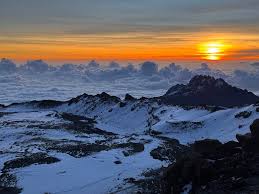
Around midnight, under a sky filled with stars, your summit push begins. This is the most demanding stage—physically and mentally. The trail climbs steeply over loose volcanic scree toward Gilman’s Point on the crater rim. With determination and steady pacing, you continue along the rim as the first light of dawn begins to break. Reaching Uhuru Peak is a moment of pure triumph—standing at 5,895 meters, the highest point in Africa, surrounded by glaciers and an endless sea of clouds. After celebrating and capturing unforgettable photos, you begin your descent back to Kibo Hut for a short rest before continuing down to Horombo Hut. The long descent is exhausting but deeply rewarding.

Drive—
Route—
MealsBreakfast / Lunch / Dinner
NightHorombo Hut
05
Horombo Hut – Descend to Mandara Hut03°12′S 37°31′E
Day 5

Horombo Hut – Descend to Mandara Hut

After the intensity of summit day, this stage feels more relaxed. As you descend, oxygen levels increase and breathing becomes easier. The landscape gradually softens—alpine desert transitions back into moorland, and eventually into lush forest. Vegetation thickens, birdlife becomes more active, and the air feels noticeably richer. Returning to Mandara Hut, you’ll enjoy your final night on the mountain with a sense of achievement.

Drive—
Route—
MealsFull Board
NightMandara Hut
06
Mandara Hut – Descend to Marangu Gate03°14′S 37°31′E
Day 6

Mandara Hut – Descend to Marangu Gate

Your final descent takes you through the familiar rainforest, now viewed with a new perspective. The sounds, smells, and colors feel more vivid after days spent in harsher environments. At Marangu Gate, you receive your summit certificate—a tangible reminder of your achievement. From here, you transfer back to Arusha or Moshi for a well-deserved rest, hot shower, and celebration.

Drive—
Route—
MealsBreakfast/ Lunch/ Dinner
NightKilimanjaro Wonders Hotel
Camps

Accommodation & Comfort Level

Mid-range Accommodations During Safari

Add-Ons

Optional Safari Add-Ons

Extras you can add before or after your climb.

After day 2

Acclimatisation day at Horombo

A second night at Horombo on the way up, with a walk towards Zebra Rocks. It gives your body more time before Kibo and summit night.

Before day 1 and after day 6

Nights in Moshi or Arusha

A hotel night before the climb for the briefing and gear check, and one after to rest.

After day 6

Safari after the climb

Tarangire, the crater or the Serengeti are a drive from Moshi and Arusha.

After day 6

Zanzibar, afterwards

Flights from Kilimanjaro reach Zanzibar in under two hours. A few nights on the coast is a good rest after the summit.

The Ground

Where the Safari Takes You

The Marangu route through four climate zones, from rainforest to the summit and back.

Mandara Hut and the rainforest
01

Mandara Hut and the rainforest

The trail from Marangu Gate climbs through warm, humid rainforest to Mandara Hut at about 2,720 m. Colobus and blue monkeys and many birds live in the forest.

Horombo Hut and the moorland
02

Horombo Hut and the moorland

Heath and moorland with giant heathers, lobelias and groundsels. Horombo Hut, at about 3,720 m, is used on the way up and again after the summit.

Kibo Hut and the Saddle
03

Kibo Hut and the Saddle

A stark alpine desert between Kibo and Mawenzi, cold and dry with little vegetation. Kibo Hut, at about 4,700 m, is the starting point for summit night.

Uhuru Peak
04

Uhuru Peak

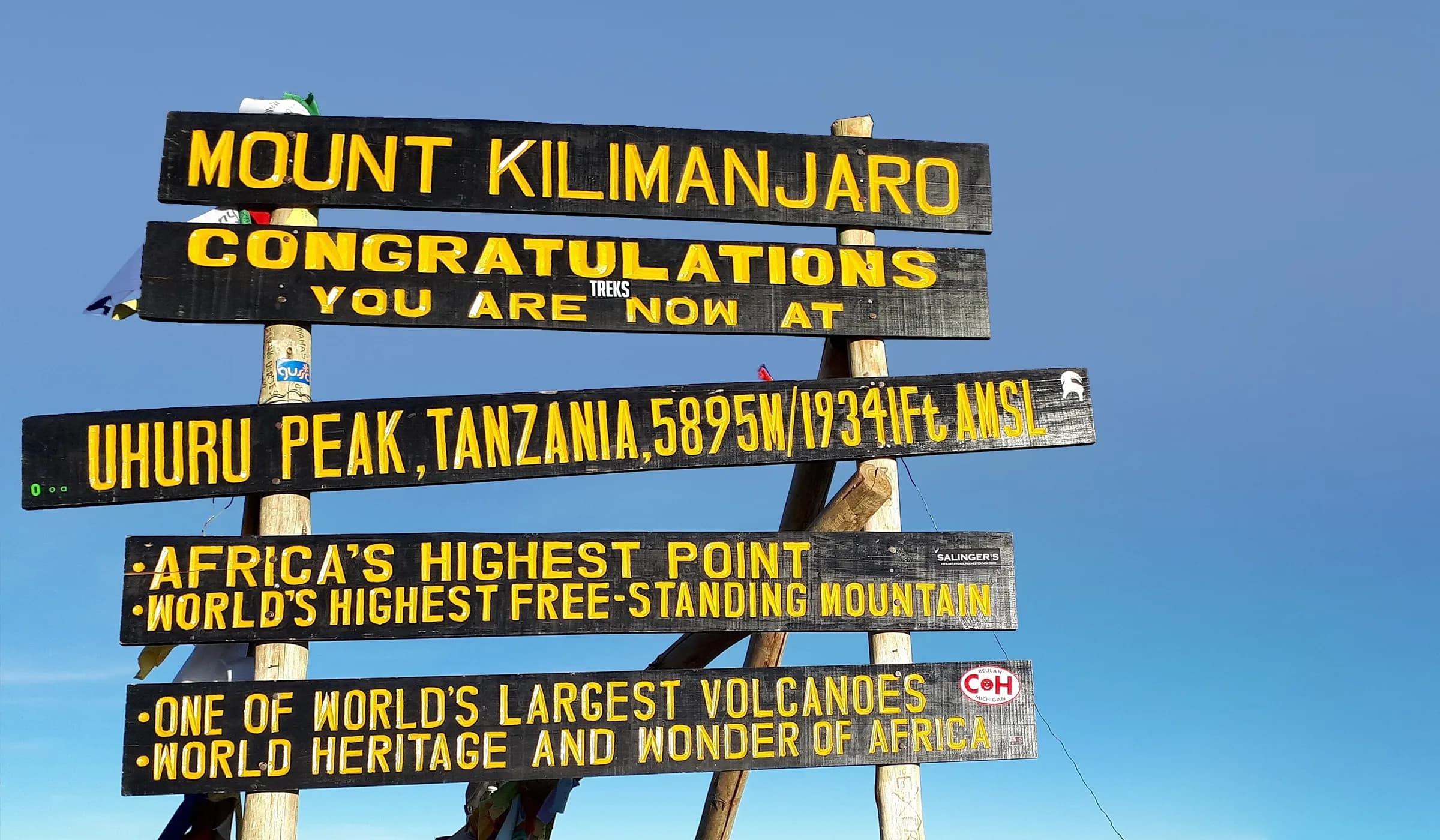
The highest point on Kibo's crater rim and in Africa, at 5,895 m. The climb goes by Gilman's Point on the rim, with glaciers and ice formations near the top.

Rates

Price & Additional Costs

Price on request — contact us for a quote for this trip.

Price Details

What's Included

✓ Included

✓ Park Fees & Permits
✓ Professional Mountain Crew
✓ Marangu Route Hut Accommodation
✓ Meals on the Mountain
✓ Drinking water.
✓ Transfers
✓ Return transfers between your hotel in Arusha or Moshi and Marangu Gate.
✓ Camping & Safety Equipment
✓ Emergency Support
✓ Summit Certificate

✗ Not Included

✗ International & Domestic Flights
✗ Airfare to/from Tanzania.
✗ Visa & Travel Insurance
✗ Entry visa fees and mandatory travel insurance (must include high-altitude trekking coverage).
✗ Accommodation Before & After the Trek
✗ Hotel stays in Arusha or Moshi (can be arranged on request).
✗ Personal Trekking Gear
✗ Tips & Gratuities
✗ Personal Expenses
✗ Additional Services
Interested in This Tour?Request a Free Quote
Best Time to Travel

Best Time to Do This Safari

Best time: late Jun – Oct

The long dry season, with clear days, cold nights and the most reliable summit mornings. The huts are busiest in these months, so book well ahead.

Also good: Dec – mid Mar

A second dry window, often a little warmer, with fewer climbers than in August. Afternoon cloud and a shower in the forest are normal.

Avoid: Apr – May, Nov

The rains. The huts keep you dry at night, but the trails are wet and summit views are less likely.

Flights

Flight Recommendation

Arrival

Kilimanjaro International (JRO)

Fly into Kilimanjaro International (JRO), under an hour from Moshi and about an hour from Arusha. Arrive at least a day before the climb and sleep in Moshi or Arusha. Hotel nights are not included, but we can arrange them along with your briefing and gear check.

Departure

Kilimanjaro International (JRO)

Day 6 walks down from Mandara Hut to Marangu Gate, about 8 km, where you receive your summit certificate before the transfer back to your hotel. Because the last day is short, an evening flight the same day is usually possible. A night in town before flying is still the more comfortable choice.

Supplementary Costs

Supplementary (not included) costs

Flights to and from Tanzania are booked separately.
Most visitors need a visa; check the current rules for your passport.
Required, and it must cover trekking at high altitude.
Tipping the guides, cooks and porters is customary at the end of the climb.
Personal trekking gear is not included; items can be hired locally.
Stays in Arusha or Moshi before and after the trek can be arranged on request.
Why Us

Why Book With Us

01

Huts all the way

Marangu is the only route with huts, so every night is under a roof on a mattress.

02

One climate zone at a time

Rainforest, moorland and alpine desert come in steady stages, each about a day's walk.

03

Summit, then a proper descent

After the summit you rest at Horombo and stop again at Mandara, instead of walking down to the gate in one day.

04

A short last day

Day 6 is about 8 km, so you reach the gate in good time for your certificate and the drive back.

Good to know

Frequently Asked Questions

Answers to common questions about the 6-day Marangu climb.

The rate depends on your group size, the season and the hotel level before and after the climb. Park fees make up a large part of it. Tell us your dates and how many are climbing and we will quote for those exact dates.
The way up is the same: Mandara, Horombo, Kibo, then the summit. The extra day is on the way down, with a night at Mandara instead of walking from Horombo to the gate in one go. That makes the last two days much easier on your knees.
Longer climbs have better success than short ones, and the biggest gain comes from an extra night at Horombo on the way up. This plan does not include that, but we can add it. Your guides check your health every day and will turn you around if it is not safe.
In mountain huts at Mandara, Horombo and Kibo, with bunk beds and mattresses. You bring your own sleeping bag. Meals are cooked by your team.
You need to walk six to seven hours a day on steady uphill paths, and summit day can take 10 to 14 hours. You do not need climbing experience. Fitness helps, but it does not stop altitude sickness.
Porters carry the food, cooking gear, water and your duffel bag up to a set weight limit, which we confirm before the climb. You carry a daypack with water, snacks and warm layers.
Yes. You need travel insurance that covers trekking up to 6,000 m, including evacuation. Check the altitude limit in your policy before you book.
Tips for guides, cook and porters are not included and are expected on Kilimanjaro. We give you the usual guidelines before the climb, and tips are handed over at the end, ideally to each crew member in person.
Enquire

Shall we begin?

Tell us when you would like to travel and we will send you a tailored quotation.

Loading itinerary…
Saved Trips