Nyakwardayo Expeditions Travel

Umbwe Route — 7 Days (Steep + Tough — For Experienced Hikers)

7 Days Umbwe Route

Umbwe Route — 7 Days (Steep + Tough — For Experienced Hikers)

Umbwe is Kilimanjaro’s steepest and most direct route, designed for experienced hikers who want a tougher, quieter approach and don’t mind big elevation gains early. It climbs fast through the rainforest and reaches higher camps quickly, so it should never be rushed the 7-day plan is the safer choice because it gives your body more time to adjust before summit night. Umbwe is dramatic and rewarding, but it’s best for strong trekkers who can keep a slow pace and respect altitude.You start from Umbwe Gate (1,600 m) and climb sharply to Umbwe Camp (2,850 m), then continue to Barranco Camp (3,900 m) where the route joins the southern circuit. From there you follow the classic line through Karanga (4,035 m) to Barafu (4,640 m) for summit night, reach Uhuru Peak (5,895 m) at sunrise, and descend via Mweka to lower altitude for recovery. For the best conditions, choose Kilimanjaro’s drier seasons: January–mid March and late June–October. Because Umbwe is demanding and the early days are steep, clearer weather and stable trail conditions make a big difference for comfort and safety. To start smoothly, base yourself in central Moshi or just outside town for an easy briefing, gear check, and early pickup for the drive to Umbwe Gate.

Duration 7 Days Parks 6
Tour Length 7 Days / 6 Nights
Country Tanzania
Start / End Kilimanjaro, Northern Zone → Kilimanjaro, Northern Zone
Accommodation Mid-range
Tour Type Kilimanjaro Climb
Meal Plan All meals on the mountain
Activity Level Trekking
Destination Highlights

Your Route Through Tanzania

Click any destination to explore it on the map.

The Days

Day-by-Day Detailed Safari Itinerary

Multiple parks, several days -- and no wasted transfers. Every drive doubles as a game drive.

01
Umbwe Gate: 1,600 m to Umbwe Camp: 2,850 m03°08′S 37°19′E
Day 1

Umbwe Gate: 1,600 m to Umbwe Camp: 2,850 m

A steep rainforest climb from the start. It’s direct and intense—pace control is everything.

Drive—
Route—
MealsL/D
Night—
02
Umbwe Camp: 2,850 m to Barranco Camp: 3,900 m03°06′S 37°20′E
Day 2

Umbwe Camp: 2,850 m to Barranco Camp: 3,900 m

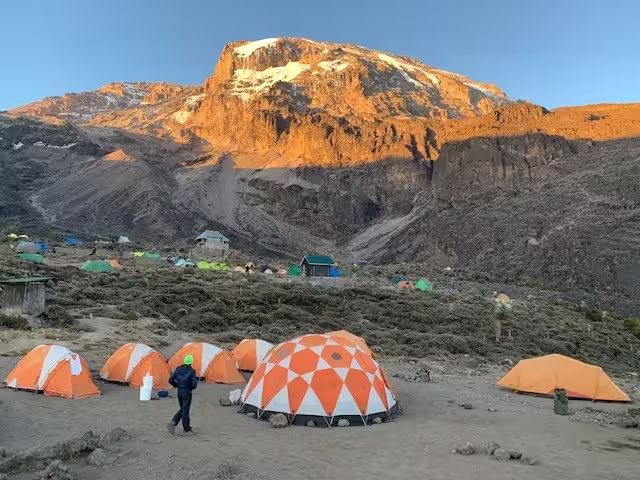
Continue climbing out of the forest into moorland and into the Barranco Valley. Big scenery, but altitude rises quickly—slow and steady.
Drive—
Route—
MealsB/L/D
NightBarranco Camp
03
Barranco: 3,900 m to Karanga Camp: 4,035 m03°07′S 37°21′E
Day 3

Barranco: 3,900 m to Karanga Camp: 4,035 m

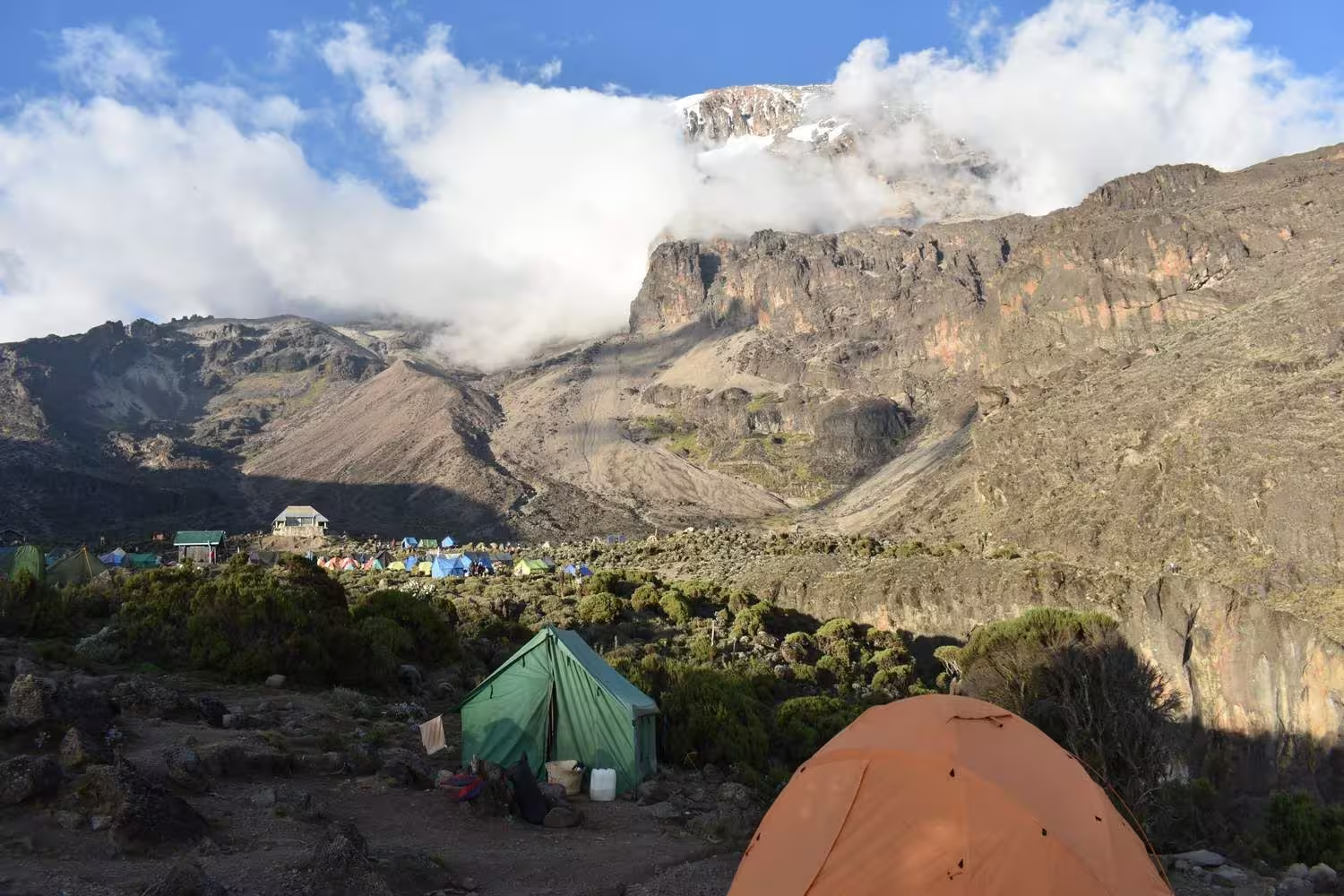
Barranco Wall scramble then traverse. Short day, useful for recovery after the steep approach
Drive—
Route—
MealsB/L/D
NightKaranga Camp
04
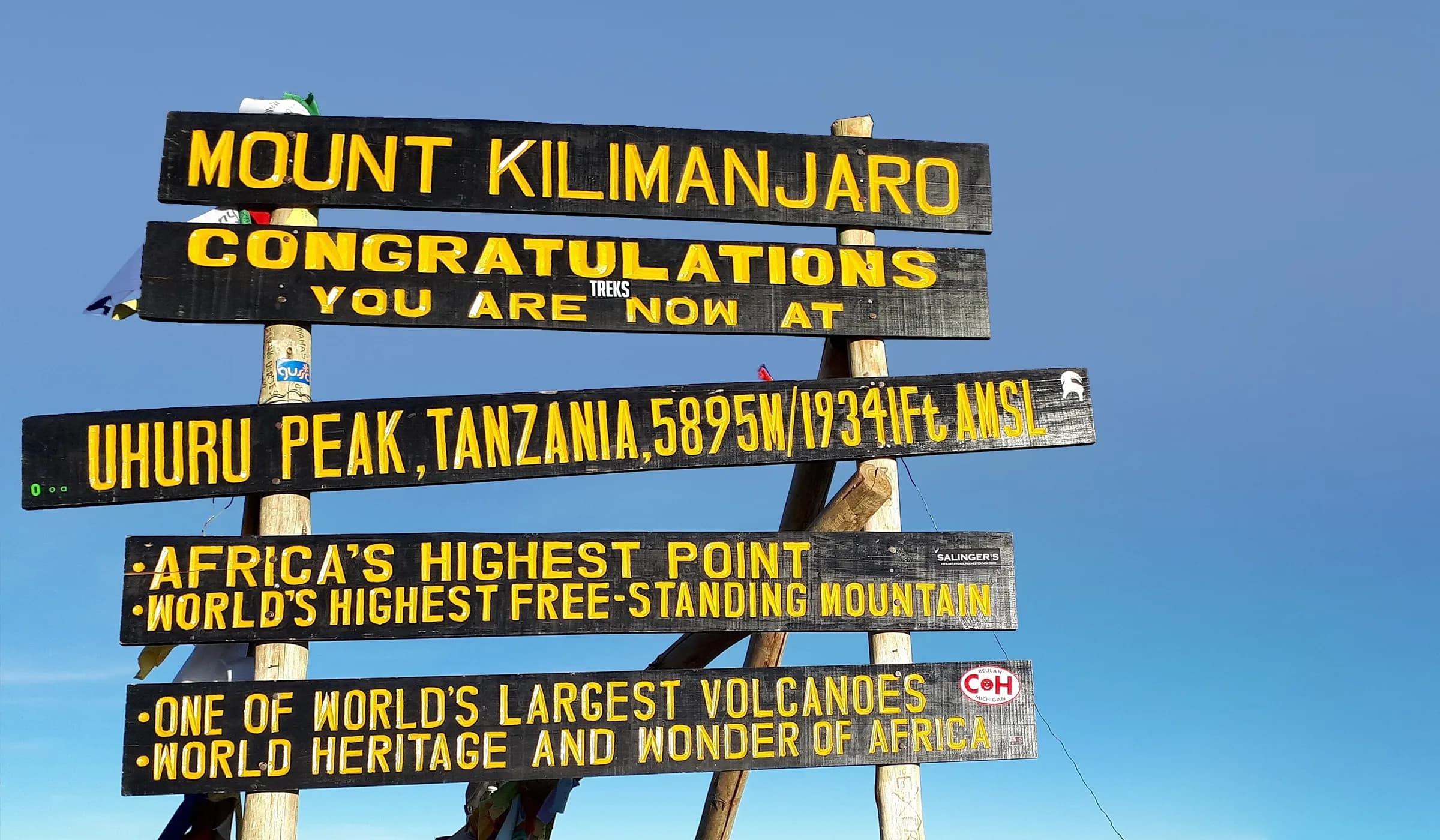
Karanga: 4,035 m to Barafu Camp: 4,640 m03°06′S 37°23′E
Day 4

Karanga: 4,035 m to Barafu Camp: 4,640 m

Move into alpine desert and arrive at summit base. Rest and prepare for summit night.
Drive—
Route—
MealsB/L/D
NightBarafu Camp
05
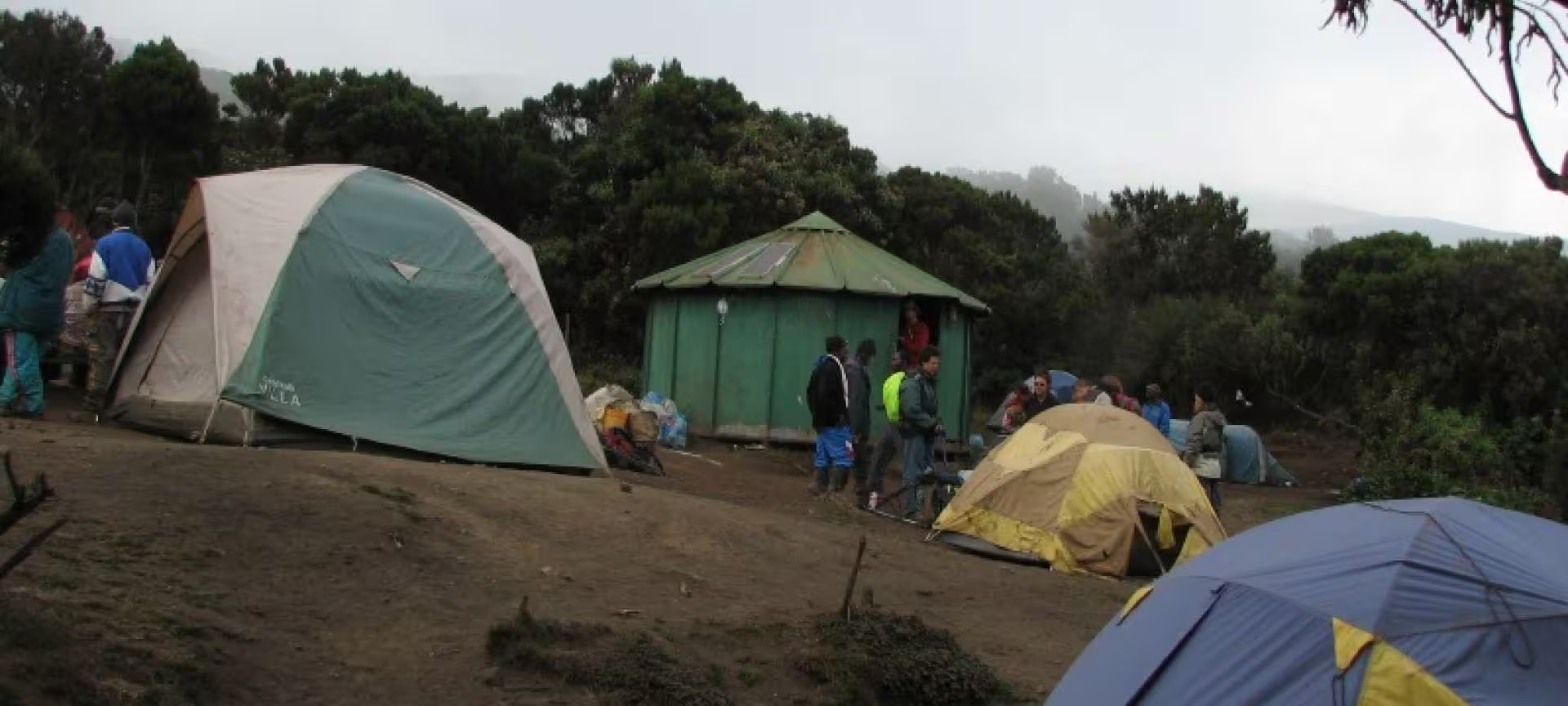
Barafu: 4,640 m to Uhuru Peak: 5,895 m to Mweka Camp: 3,100 m03°05′S 37°21′E
Day 5

Barafu: 4,640 m to Uhuru Peak: 5,895 m to Mweka Camp: 3,100 m

Summit attempt then long descent hardest day physically and mentally.
Drive—
Route—
MealsB/L/D
NightMweka Camp
06
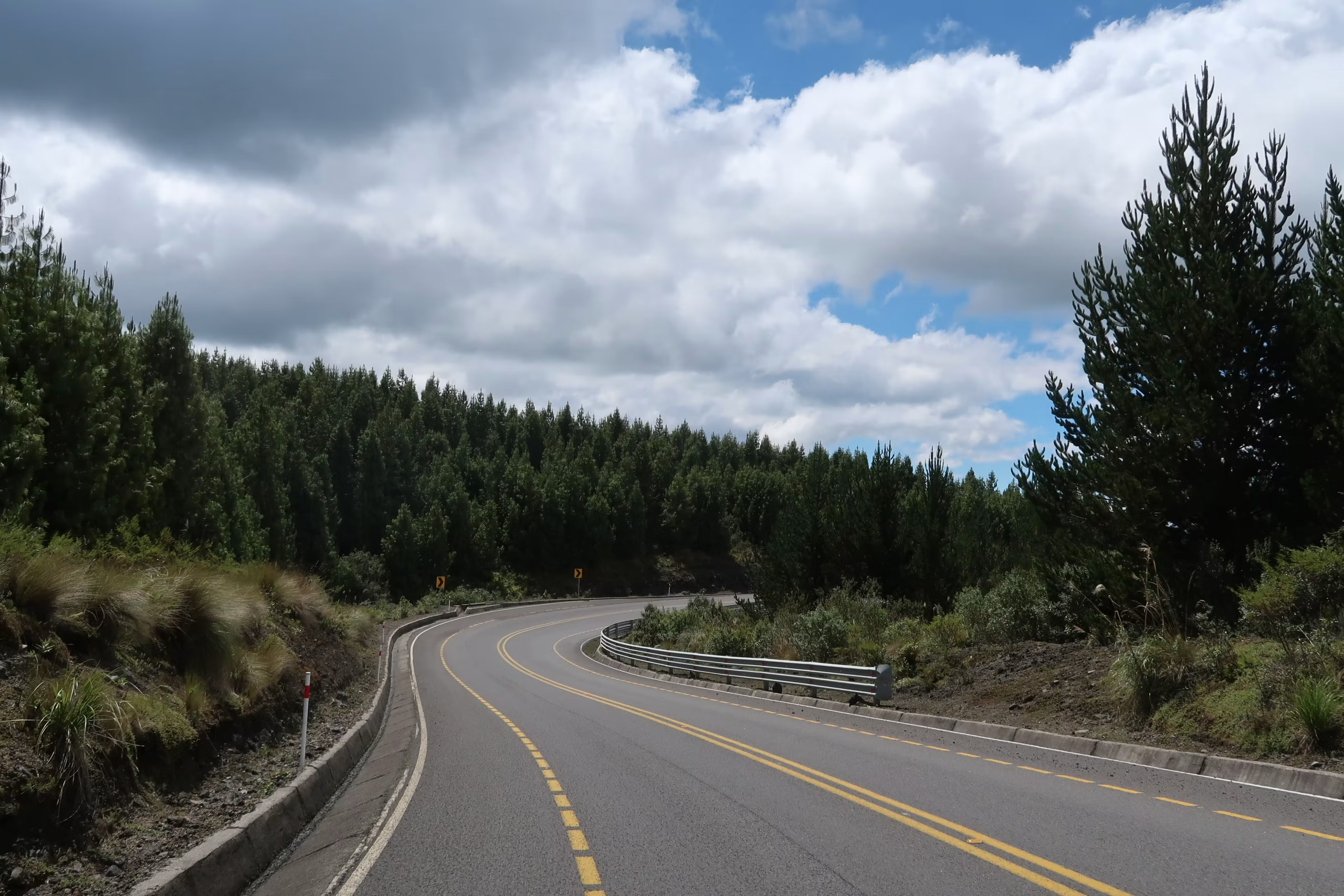
Mweka Camp: 3,100 m (Rest/Recovery Buffer Day — optional but recommended if needed)03°09′S 37°22′E
Day 6

Mweka Camp: 3,100 m (Rest/Recovery Buffer Day — optional but recommended if needed)

Some operators keep this as a buffer for safety and recovery, especially if summit day was slow or weather affected timing.
Drive—
Route—
MealsB/L/D
NightMweka Camp
07
Mweka Camp: 3,100 m to Mweka Gate: 1,640 m03°13′S 37°20′E
Day 7

Mweka Camp: 3,100 m to Mweka Gate: 1,640 m

Final descent and certificates.

Drive—
Route—
MealsB
NightMweka Camp
Camps

Accommodation & Comfort Level

Mid-range Accommodations During Safari

Add-Ons

Optional Safari Add-Ons

Optional extras to add before or after your climb.

Before day 1

A night in Moshi before the climb

Time for the briefing and gear check, and a rest after your flight, before the early drive to Umbwe Gate.

Before day 1 · 1–3 days

Acclimatisation hike before the climb

A day on Mount Meru or the lower slopes before you start helps on a route that gains height as quickly as Umbwe.

Days 1–6

Private portable toilet

A private toilet tent carried by the crew, a real comfort at Barranco, Karanga and Barafu.

After day 7 · 2–5 days

Safari after the climb

A few days in Tarangire, Ngorongoro or the Serengeti rest your legs and add the wildlife of northern Tanzania.

The Ground

Where the Safari Takes You

A steep, direct line up Kilimanjaro's southern side.
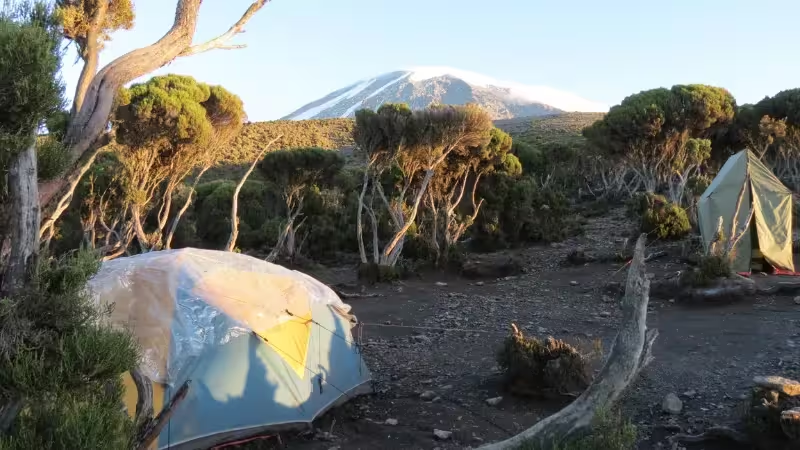
Umbwe rainforest
01

Umbwe rainforest

The route starts with a steep climb through dense forest. It gains height quickly, so a slow pace matters from the first hour.

Barranco Valley
02

Barranco Valley

Umbwe joins the southern side of the mountain here, below the glaciers and the Barranco Wall. The valley is a shared camp for several routes.
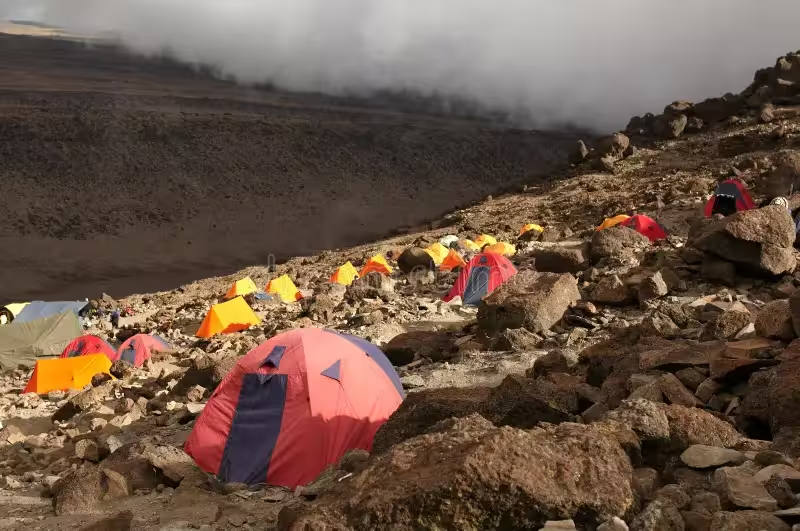
Alpine desert and Barafu
03

Alpine desert and Barafu

Above Karanga the plants give way to bare rock and gravel. Barafu Camp sits in this zone and is the base for summit night.

Uhuru Peak
04

Uhuru Peak

The highest point of Kilimanjaro and of Africa, on the rim of the Kibo crater. The descent after the summit continues down to Mweka Camp.

Rates

Price & Additional Costs

Price on request — contact us for a quote for this trip.

Price Details

What's Included

✓ Included

✓ Park fees/permits
✓ Guide(s), cook, porters
✓ Meals + treated water
✓ Tents + sleeping mattress + mess tent (operator dependent)
✓ First-aid kit + daily checks + emergency oxygen
✓ Transfers to/from gates

✗ Not Included

✗ Flights/visa/insurance
✗ Tips
✗ Hotel before/after
✗ Personal gear
✗ Snacks/drinks
✗ Personal meds/medical costs
✗ Portable toilet (optional)
Interested in This Tour?Request a Free Quote
Best Time to Travel

Best Time to Do This Safari

Best time: late Jun – Oct

This is the longer of Kilimanjaro's two dry seasons and the most popular time to climb. Trails are drier, skies are often clear and summit views are at their best. Nights at the high camps are cold, so warm layers matter more than at any other time. On Umbwe, dry trails matter more than on most routes, because the first two days are so steep.

Also good: Dec – mid Mar

The second dry window is a little warmer and usually quieter on the trail. Short showers are possible in December and occasional snow can fall near the summit. Clear mornings are common and the views of the plains below can be very good.

Rainy months: Apr – May and Nov

April and May are the long rains, and November brings shorter rains. The forest trails get muddy, cloud often hides the views and summit night can be wet or icy. Climbs do run in these months, but we would steer you to the dry season if your dates can move.

Flights

Flight Recommendation

Arrival

Kilimanjaro International (JRO)

Fly into Kilimanjaro International (JRO), which is about 45 minutes from Moshi. We strongly recommend arriving at least one day before the climb and spending a night in Moshi, so we can do the briefing and gear check and you start rested. The drive to Umbwe Gate is then early on day 1.

Departure

Kilimanjaro International (JRO)

Day 7 ends at Mweka Gate around midday or early afternoon, followed by the drive back to Moshi. Most climbers are tired and sore after the descent, so we recommend one more night in Moshi and flying out the next day. If you must fly the same evening, tell us and we will plan the descent and transfer around it. Most passports need a Tanzania visa. Apply online at the official immigration portal well before you travel rather than queueing for one on arrival.

Supplementary Costs

Supplementary (not included) costs

Flights to and from Kilimanjaro International are booked separately.
Most passports need a visa. Apply online through the official immigration portal before you travel.
Choose a policy that clearly covers trekking at high altitude and mountain evacuation.
Tipping the guides, cook and porters is customary and is usually handed over at the end of the climb.
Sleeping bags, poles and warm layers can be hired in Moshi if you do not bring your own.
Nights before and after the climb are normally extra unless they are written into your quote.
Why Us

Why Book With Us

01

The quiet, direct approach

Umbwe sees few climbers on its first two days, and the steep ridge through the forest is unlike any other start on the mountain.

02

Joining the southern circuit at Barranco

From day 2 you follow the proven line through Karanga to Barafu, with its gradual gains and good acclimatisation.

03

A recovery buffer at Mweka

Day 6 gives room for a slow summit night or bad weather, so the descent never has to be rushed.

04

Seven days, not six

A steep route needs more time, not less. The longer plan gives your body the best chance to adjust before Uhuru Peak.

Good to know

Frequently Asked Questions

What people most often ask about the steep Umbwe Route.

The rate for this climb depends on your group size, the season and the level of camping equipment you choose. We do not publish one figure because those three things move it a lot. Send us your dates and group size and we will quote for exactly that.
Umbwe is the steepest and most direct route on Kilimanjaro, with big height gains on the first two days. It suits experienced hikers who are used to long, steep days and can keep a slow pace. If this is your first high-altitude trek, we would usually suggest Machame or Lemosho instead.
You go from 1,600 m at the gate to 3,900 m at Barranco in just two days, which is faster than most routes. That is why the 7-day plan includes a buffer day at Mweka, and why going slowly from the start matters so much. Your guide checks you daily and will adjust the pace if needed.
You do not need climbing experience, but you do need to be able to walk for six to eight hours on several days in a row, often uphill. Regular hiking, stairs or hill walking in the months before is the best preparation. Fitness helps, but going slowly and acclimatising well matters more for reaching the summit.
Most climbers feel some effects of altitude, such as headache, poor sleep or loss of appetite, and these are usually mild. Your guides check you every day and the rule is simple: if symptoms become serious, you go down. Walking slowly, drinking plenty of water and telling your guide how you feel are the best things you can do.
Day 6 is kept as a rest and recovery buffer after the summit. If summit night was slow or the weather delayed things, it gives you a calmer descent rather than pushing all the way down in one long day.
Porters carry the tents, food, cooking equipment, water and your main duffel bag, which has a weight limit we confirm when you book. You carry a daypack with water, snacks, rain gear, warm layers, sun cream and your camera. Keep the daypack light, as you will carry it every day including summit night.
Tips are not included in the climb price and are an expected part of how the mountain crew is paid. The usual practice is a tipping ceremony on the last morning, with separate amounts for guides, the cook and porters. We will send you a current guideline per crew role before you fly so you can bring the right cash.
Enquire

Shall we begin?

Tell us when you would like to travel and we will send you a tailored quotation.

Loading itinerary…
Saved Trips